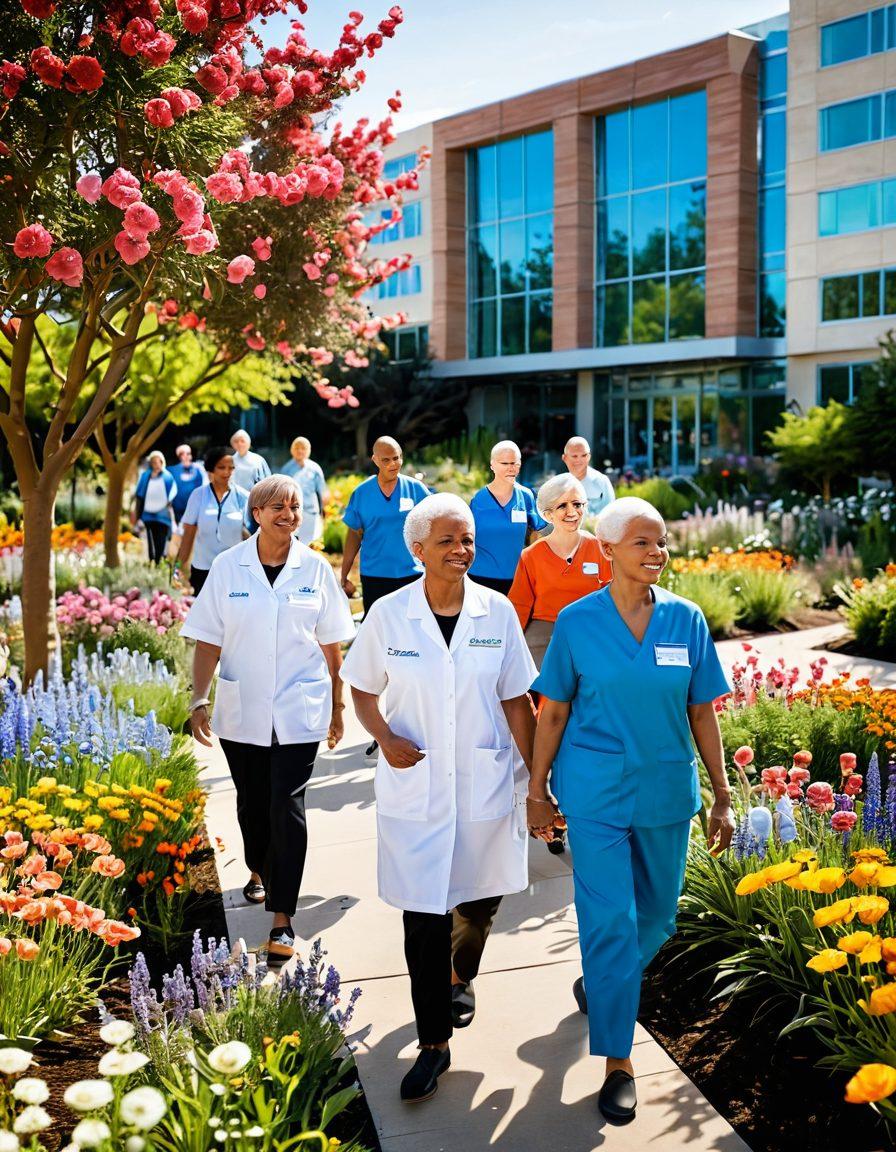
Navigating the Cancer Journey: Insights from Oncology Experts and Survivor Stories
Embarking on the cancer journey is like navigating uncharted waters. Each patient brings a unique story, a personal conflict that intertwines with the broader narrative of survival, hope, and resilience. How do we find a beacon during such turbulent times? This is where our oncologists, with their profound knowledge in medical research, step in, guiding us through the complexities of diagnosis, therapy, and treatment options. Whether facing a specific carcinoma or a more general malignancy, the path to wellness is often paved with the right information and community support.
Imagine sitting across from your oncologist for the first time, absorbing the gravity of the diagnosis. Questions swirl: What are my treatment options? How will chemotherapy affect my daily life? Yet, within the fear and uncertainty lies the potential for empowerment. The insights gleaned from patient advocacy and survivor stories highlight the importance of being informed and proactive. Cancer awareness is essential; understanding risk factors and the significance of early detection can not only save lives but foster a sense of control amidst chaos.
In the realm of treatment, the landscape is ever-evolving. The latest treatments, including innovative therapies and clinical trials, are reshaping what it means to navigate a cancer diagnosis. Embracing holistic approaches, some patients find solace in lifestyle changes—nutrition, exercise, mindfulness—that fuel their journey toward wellness. As we delve into survivor stories, we're reminded that while the road may be fraught with obstacles, it is also filled with moments of triumph, laughter, and connection.
Emotional support plays an undeniable role in survivorship. Whether through support groups, nonprofit organizations, or one-on-one therapy, patients are encouraged to lean on their communities. The act of sharing experiences—both good and bad—creates a tapestry of encouragement. As one survivor aptly puts it, 'It’s not just about fighting cancer; it’s about finding joy in the fight.' How can we cultivate these connections in our own lives? Together, we can create a culture of support, sharing health information and resources, ensuring no one feels isolated in the battle against cancer.
Empowerment through education is key in the journey of cancer care. By familiarizing ourselves with the terminology—oncology, tumor types, and palliative care—we enable ourselves to make informed decisions alongside our healthcare providers. Are there lifestyle changes you can adopt today that would enhance your well-being? Perhaps adjusting your diet, incorporating light exercise, or seeking out emotional support. The journey is indeed multifaceted, but with every story told and every piece of knowledge shared, we inch closer to a holistic sense of wellness that empowers each patient, amidst uncertainty, to thrive.
Navigating Treatment Options: The Latest Advances in Oncology for Survivors
Navigating the cancer journey can feel like sailing through uncharted waters; it’s often fraught with uncertainty and waves of emotion. For many patients, the sheer array of treatment options can become overwhelming. However, thanks to the latest advances in oncology, there is hope and reassurance. New treatments and therapies are emerging every day, which could change the course of cancer for many individuals. So, how can one ensure they are making informed decisions about their treatment? Understanding the nuances of various treatment options is key, and not just for patients; their families and communities also play an essential role in the healing process.
When confronted with a cancer diagnosis, one might feel as if the ground beneath their feet has fallen away. An oncologist can be a guiding light in this chaotic time. They can walk you through the latest treatments available, ranging from chemotherapy and radiotherapy to innovative therapies tied to medical research and clinical trials. An oncologist urges their patients not to lose hope. Instead, they encourage looking into supplemental options like palliative care or holistic approaches that support the emotional and psychological aspects of cancer survivorship. Remember, 'Cancer is a word, not a sentence.' This quote captures the essence of hope and action.
Consider the story of Sarah, a vibrant woman in her thirties, who was diagnosed with carcinoma, a form of cancer, amidst the height of her career. Fearful of the unknown, she reached out to her support community—friends, family, and local nonprofit organizations dedicated to cancer awareness. They provided emotional support during her treatment journey, ranging from sharing stories to offering educational resources about risk factors, early detection, and lifestyle changes that could help in her healing process. Her journey highlighted how community support and patient advocacy can enrich the treatment experience.
Moreover, we are witnessing fascinating advancements in the field of oncology today. Treatment options are not only becoming more effective, but they are also more personalized. Scientific studies have opened the door to understanding how different cancer types respond to specific therapies. This means that treatments can be tailored to the individual rather than a one-size-fits-all approach. As patients navigate their options, understanding the latest advancements in treatments and clinical trials can empower them to make informed decisions. Will you discuss these options with your oncologist during your next visit?
The emotional side of a cancer journey cannot be understated. Survivorship isn't solely about surviving the illness; it's also about thriving in a world forever changed by it. Patients often question how they can maintain their wellness post-treatment. While there are numerous healthcare options, engaging in lifestyle changes such as regular exercise, healthy eating, and seeking therapy or emotional support can significantly enhance the quality of life during and after treatment. Remember, your journey can inspire someone else. Every survivor story adds to the broader narrative of hope and perseverance in the fight against malignancy. How will you contribute your story to the growing tapestry of survivorship?
Survivor Stories: Learning Resilience and Hope from the Oncology Community
Cancer is a formidable foe, but the stories of those who have battled it and emerged victorious are a testament to human resilience and hope. The oncology community has been graced with incredible individuals who, through sheer determination and support, have navigated the treacherous waters of carcinoma diagnosis, treatment, and survivorship. Their experiences not only showcase the trials and tribulations of living with malignancy but also highlight the strength that can be formed through community support, patient advocacy, and healthcare advancements. How can we draw inspiration from these survivor stories to strengthen our own journeys or those of our loved ones?
Meet Sarah, a vibrant individual whose life was turned upside down by an unexpected diagnosis of breast cancer. With each visit to her oncologist, she learned more than just the latest treatments available; she gained insights into the importance of early detection and the impact of lifestyle changes in combating the disease. 'It wasn't just the chemotherapy or radiotherapy that saved me, but the emotional support of my friends and family,' she often shares. Sarah's journey reminds us of the critical role that community support plays in fostering wellness during and after treatment. How can we cultivate such support networks for ourselves or our loved ones?
As we delve into the myriad survivor stories, we uncover a common thread: resilience. Take John, for instance, who participated in clinical trials for cutting-edge treatments. His story of hope reflects how scientific studies and medical research can pave the way for new therapies and ways to manage cancer types that previously seemed insurmountable. 'Being part of a trial gave me a sense of control in a world that felt chaotic,' he recalls. It's a powerful reminder that advancing cancer awareness and patient education can empower those affected by malignancy to advocate for their own health.
Moreover, each survivor carries with them lessons on the importance of emotional support and self-advocacy. Linda, who overcame lung cancer, initiated a nonprofit organization to provide resources for others facing similar battles. 'I wanted to turn my pain into purpose,' she passionately asserts. The emotional toll of a cancer diagnosis can be overwhelming, but learning from the anchor provided by such nonprofits can be a turning point for many. Are we giving enough attention to the mental health aspect of cancer survivorship?
These survivor stories encapsulate the essence of hope, a driving force in the oncology community. From innovative therapies that emerged from rigorous clinical trials to holistic approaches that consider the patient's emotional well-being, these narratives encourage us to view cancer not just as a disease, but as a journey filled with lessons and potential for personal growth. The discourse surrounding survivorship continues to evolve, prompting us to question: what can we learn from the survivors' experiences to enhance our collective resilience against this disease?